What Is Trucking?
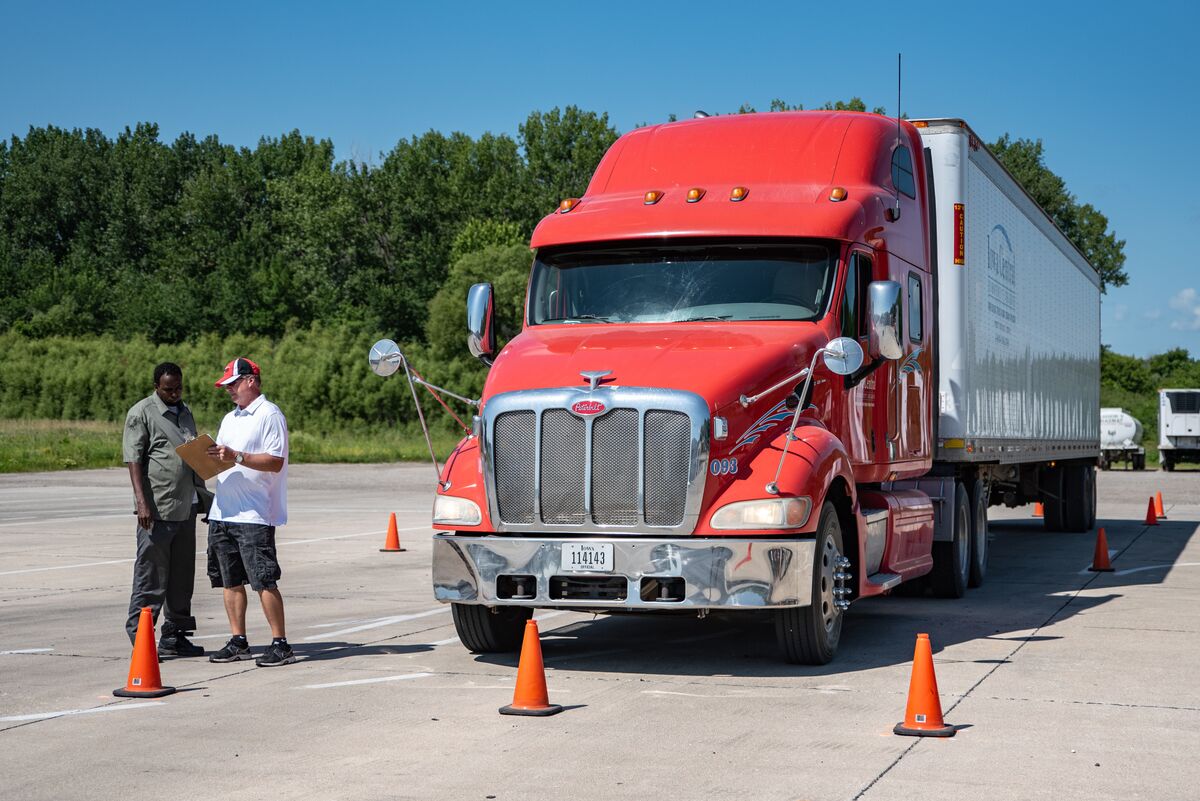
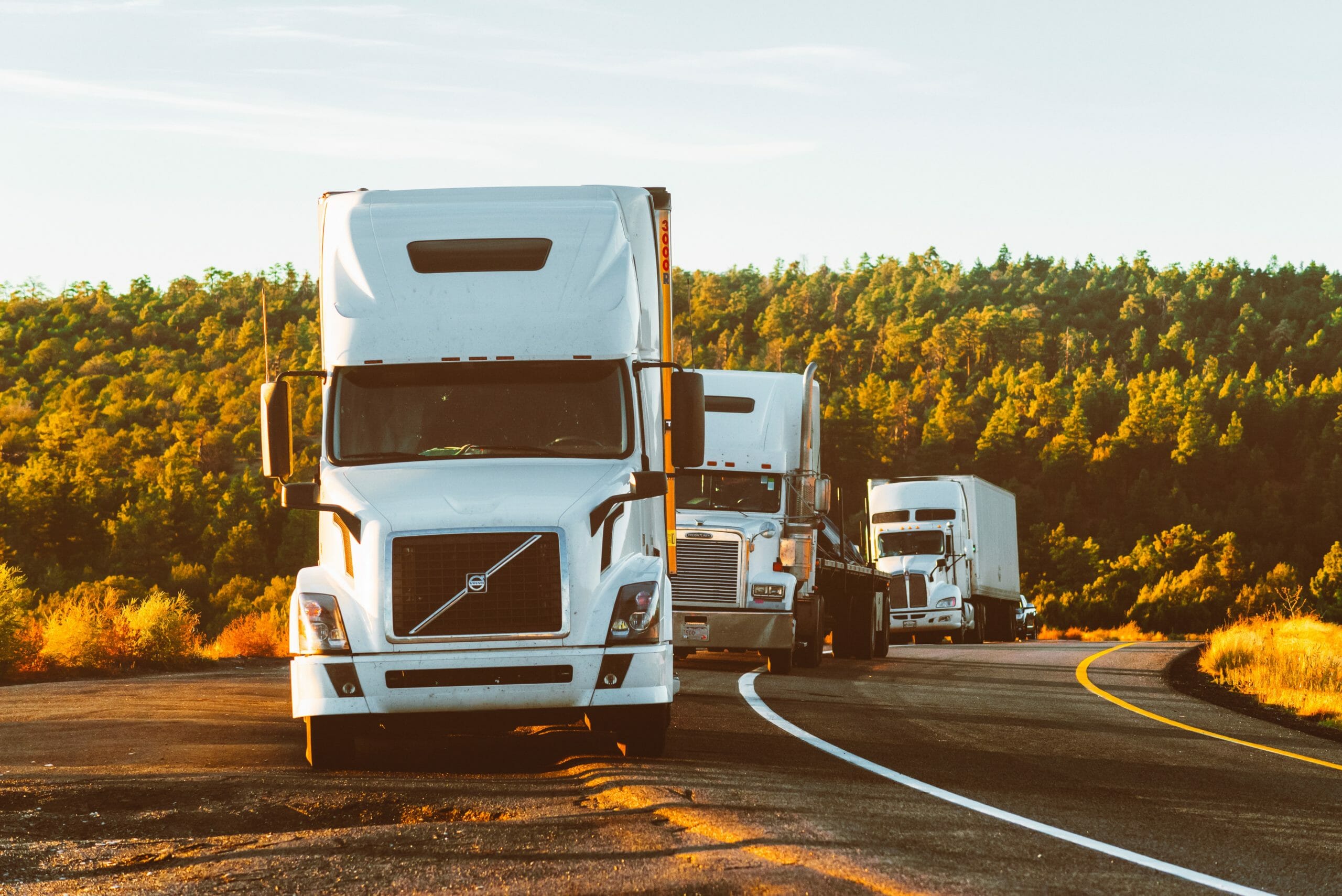
At its core, trucking involves transporting cargo—such as food, electronics, raw materials, and more—over short and long distances using trucks or lorries. These vehicles vary in size and design depending on the type of goods they carry. For example, some trucks are refrigerated for perishable items, while others are flatbeds for heavy or oversized loads.
Trucking is flexible and can deliver goods almost anywhere there are roads, making it crucial for local and global supply chains.
How Trucking Works
The trucking process starts with businesses that need to ship goods (shippers) partnering with carriers—companies or individuals who own and operate trucks. Logistics teams coordinate routes, schedules, and delivery details to ensure shipments arrive on time and in good condition.
There are different types of trucking services:
- Full Truckload (FTL) – One customer’s goods fill an entire truck.
- Less-Than-Truckload (LTL) – Multiple shippers share space on the same truck.
Why Trucking Matters
Trucking keeps the economy moving. Without it, shelves at stores would be empty, online orders would be delayed, and industries like manufacturing and construction would struggle to get materials. In many countries, trucks carry more freight than other forms of transport combined.
Trucking also supports jobs for drivers, mechanics, dispatchers, and support staff. Smaller trucking fleets help local economies by creating employment and offering services tailored to nearby businesses.
Challenges and the Future
Although essential, trucking faces challenges. These include rising fuel and labor costs, driver shortages, and the need to reduce environmental impacts. Technological changes like electric trucks, route planning software, and even self-driving vehicles are beginning to reshape the industry.
Efforts to make trucking more efficient and sustainable—such as improving logistics and adopting new technologies—are continuing as the world’s demand for shipped goods grows.